|
| |
On this page you'll see pictures that have been sent to us that we considered
very interesting. Not confined to Battleship related, just interesting
and, we feel, worth sharing. As always, just click on the picture to open
an new window and see a larger version of the thumbnail.

Sound Barrier
Through the viewfinder of his camera,
Ensign John Gay could see the fighter plane drop from the sky heading toward the
port side of the aircraft carrier Constellation. At 1,000 feet, the pilot drops
the F/A-18C Hornet to increase his speed to 750 mph, vapor flickering off the
curved surfaces of the plane. In the precise moment a cloud in the shape of a
farm-fresh egg forms around the Hornet 200 yards from the carrier, its engines
rippling the Pacific Ocean just 75 feet below, Gay hears an explosion and snaps
his camera shutter once."I clicked the same time I heard the boom, and I
knew I had it,"Gay said. What he had was a technically meticulous depiction
of the sound barrier being broken July 7, 1999, somewhere on the Pacific between
Hawaii and Japan. Sports Illustrated, Brills Content and Life ran the photo.
The photo recently took first prize in the science and technology division in
the World Press Photo 2000 contest, which drew more than 42,000 entries
worldwide."All of a sudden, in the last few days, I've been getting calls
from everywhere about it again. It's kind of neat," he said, in a telephone
interview from his station in Virginia Beach, Va. A naval veteran of 12 years,
Gay, 38, manages a crew of eight assigned to take intelligence photographs from
the high-tech belly of an
F-14 Tomcat, the fastest fighter in the U.S. Navy. In July, Gay had been part of
a Joint Task Force Exercise as the Constellation made its way to Japan. Gay
selected his Nikon 90 S, one of the five 35 mm cameras he owns. He set his
80-300 mm zoom lens on 300 mm, set his shutter speed at 1/1000 of second with an
aperture setting of F5.6. "I put it on full manual, focus and
exposure," Gay said. "I tell young photographers who are into
automatic everything, you aren't going to get that shot on auto. The plane is
too fast. The camera can't keep up." "At sea level a plane must exceed
741 mph to break the sound barrier, or the speed at which sound travels. The
change in pressure as the plane outruns all of the pressure and sound waves in
front of it is heard on the ground as an explosion or sonic boom. The
pressure change condenses the water in the air as the jet passes these waves.
Altitude, wind speed, humidity, the shape and trajectory of the plane - all of
these affect the breaking of this barrier. The slightest drag or atmospheric
pull on the plane shatters the vapor oval like fireworks as the plane passes
through," he said. "Everything on July 7 was perfect," he said.
"You see this vapor flicker around the plane that gets bigger and bigger.
You get this loud boom, and it's instantaneous. The vapor cloud is there, and
then it's not there. It's the coolest thing you have ever seen."
(Our thanks to John
McDonald, for submitting this.)

NAVY LORE
To help with your Naval
vocabulary Navy Lore Explained
Every sailing ship had to have cannon for protection. Cannon of the times
required round iron cannonballs. The master wanted to store the
cannonballs such that they could be of instant use when needed, yet not roll
around the gun deck. The solution was to stack them up in a square based pyramid
next to the cannon. The top level of the stack had one ball, the next level down
had four, the next had nine, the next had sixteen, and so on. Four levels would
provide a stack of 30 cannonballs. The only real problem was how to keep the
bottom level from sliding out from under the weight of the higher levels. To do
this, they devised a small brass plate ("brass monkey") with one
rounded indentation for each cannonball in the bottom layer. Brass was
used because the cannonballs wouldn't rust to the "brass monkey," but
would rust to an iron one. When temperature falls, brass contracts in size
faster than iron. As it got cold on the gun decks, the indentations in the brass
monkey would get smaller than the iron cannonballs they were holding. If the
temperature got cold enough, the bottom layer would pop out of the indentations
spilling the entire pyramid over the deck. Thus it was, quite literally, "cold
enough to freeze the balls off a brass monkey."
| Brass
Monkeyshines
Nobody really knows where the phrase "cold enough to
freeze the balls off a brass monkey" came from, but the
explanation offered here certainly isn't the answer.
|
|

Courtesy Jack McDonald

Courtesy of Bill Hart

Courtesy Jack McDonald

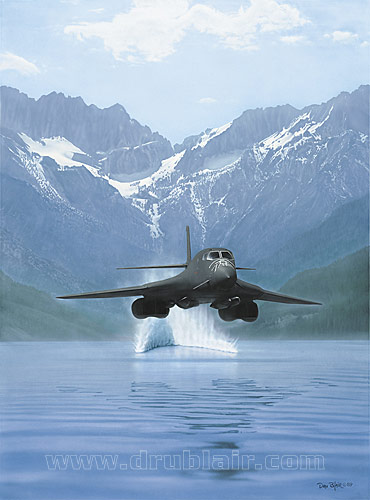
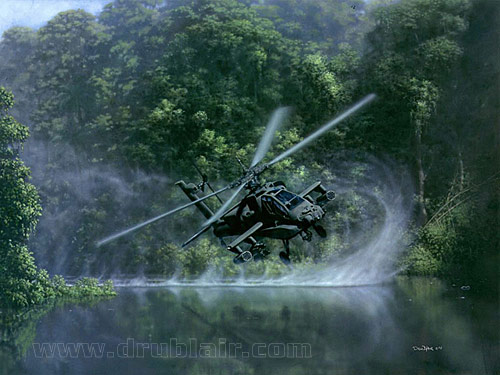
"Power" painting by Dru Blair
©1989 "Deliverance" painting by Dru Blair ©1993 For
more paintings by Dru Blair go to his Web Site at www.drublair.com

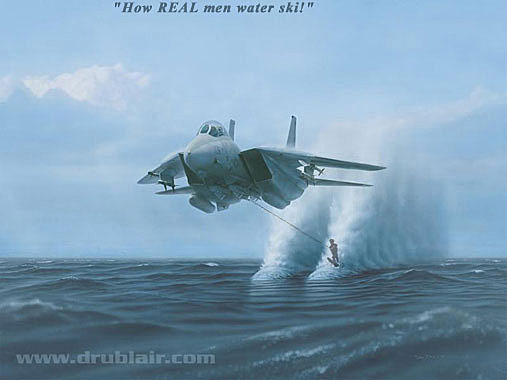
"Tomcat" painting by Dru Blair © 1989
"Last Hot Flight" painting by Dru Blair © 1991 For
more paintings by Dru Blair go to his Web Site at www.drublair.com

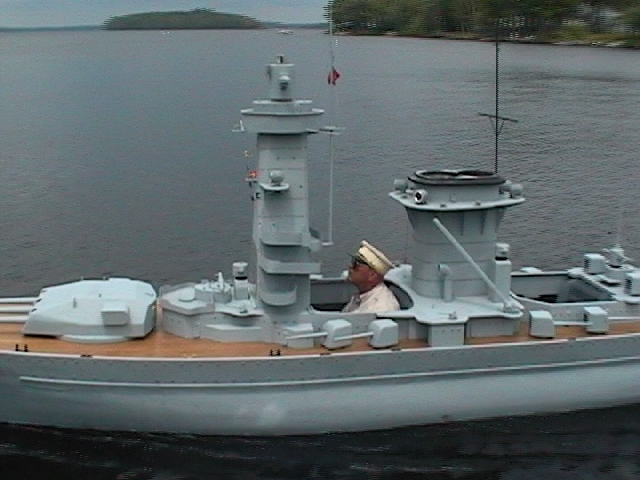
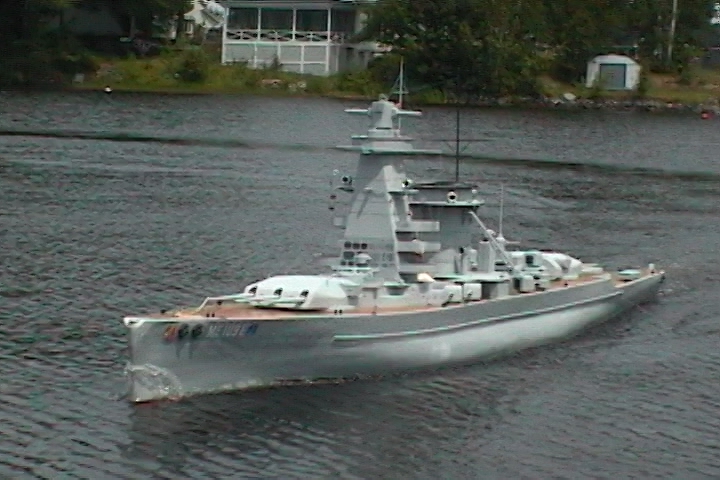
From William Terra 
A 30' scale reproduction of the Graf Spee that cruises at 15
knots.

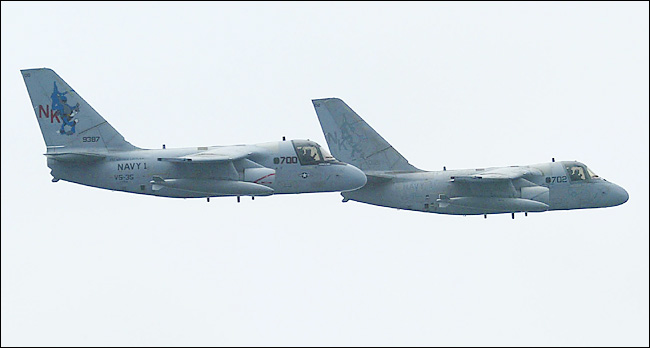
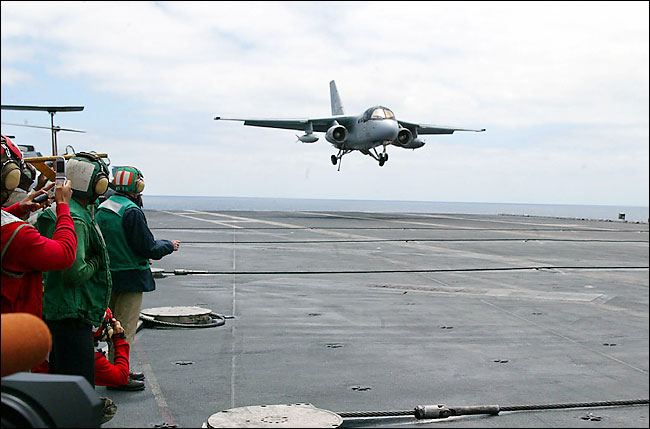
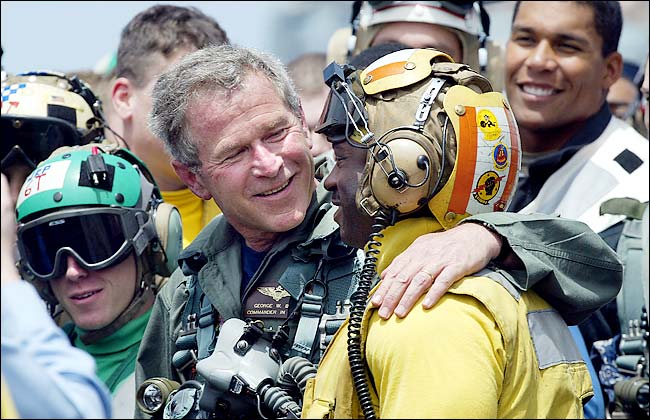
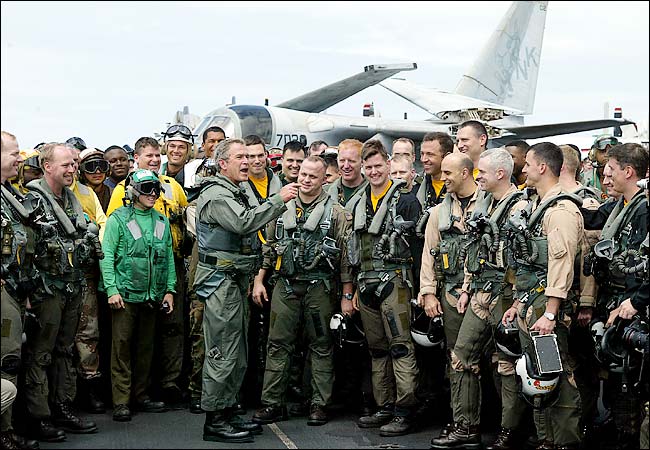
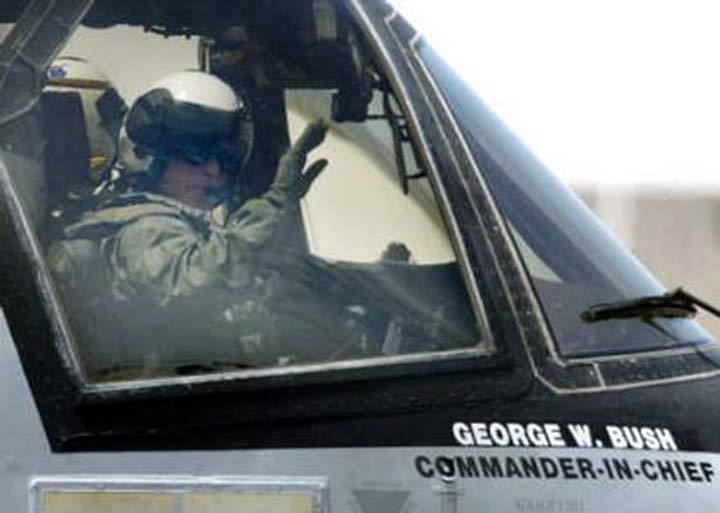
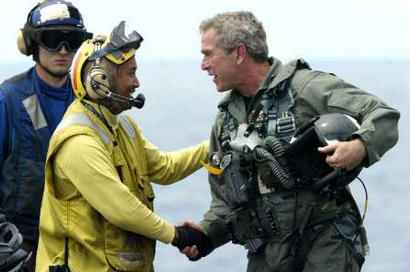
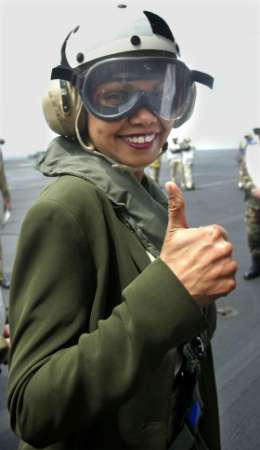
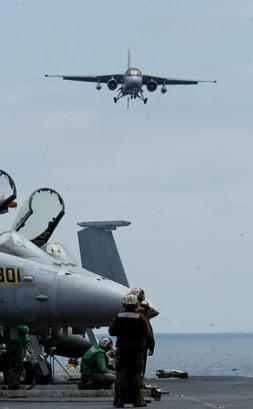
THURSDAY MAY 1, 2003
You can say what you want about George W. Bush, President of the
United States. Whatever you say, you have to admit it's been a long time
since the U.S.A. has had a President with the "Stones" exhibited
here. For my money, that's a good thing but don't write me if you disagree
because I don't want to hear it. Mark this time in your memory and tell
your grandchildren because this is and will be a notable period in the history
of our Nation.


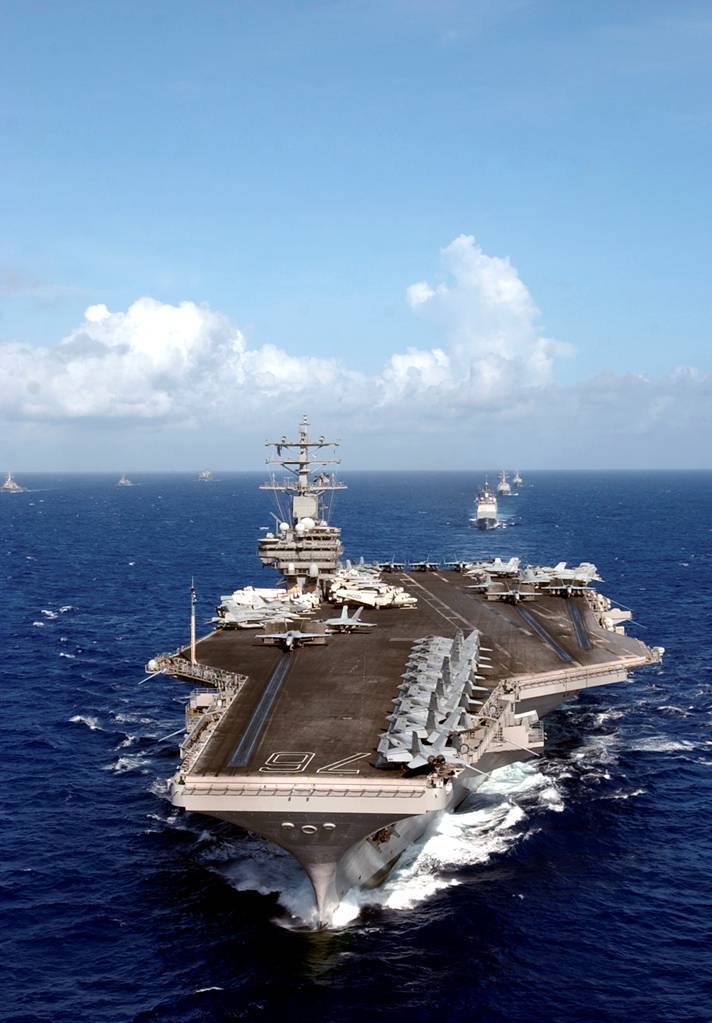
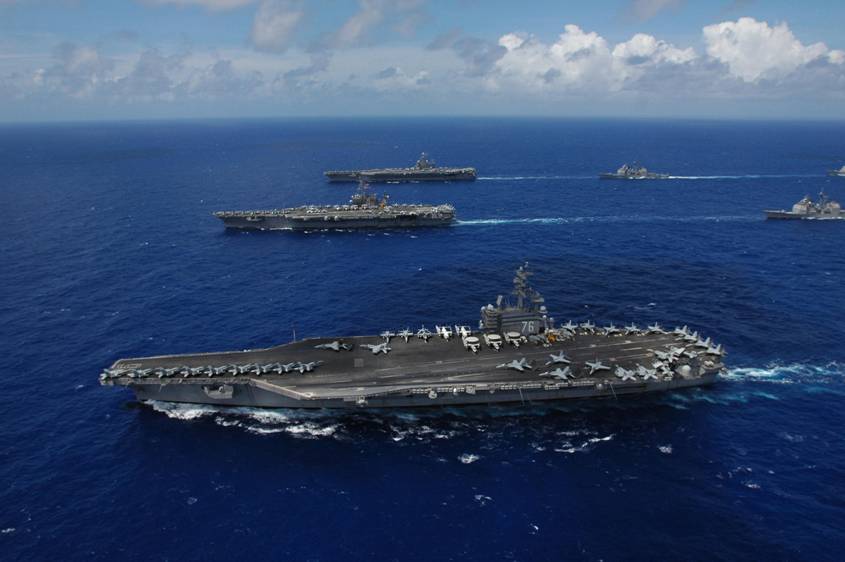
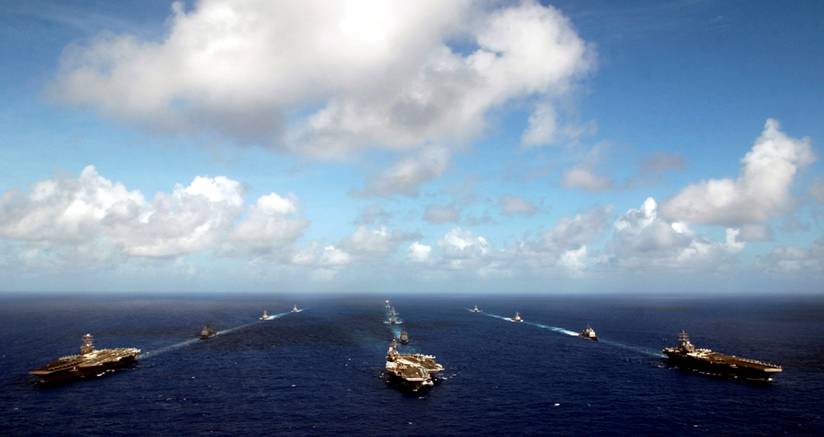
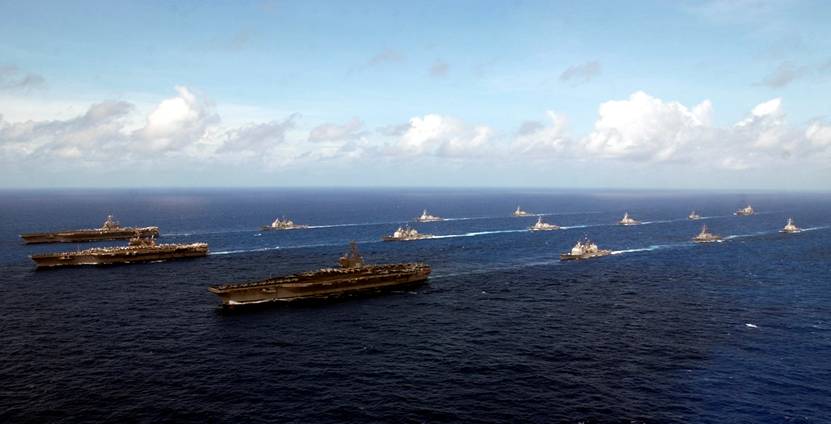
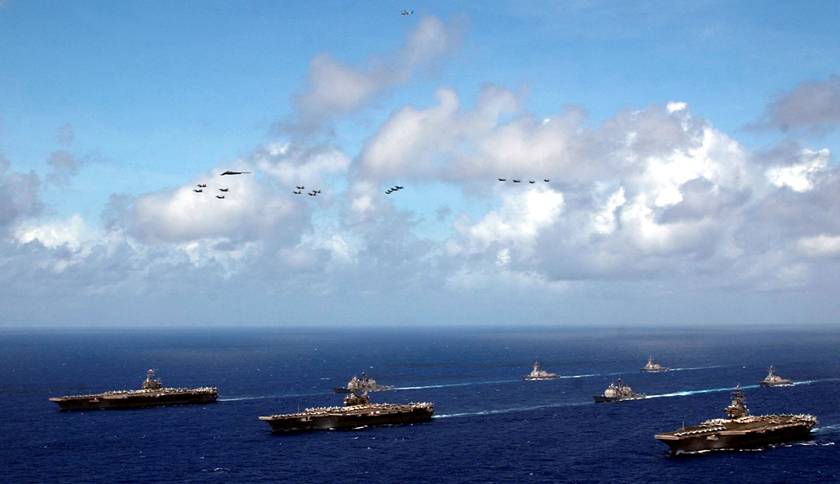
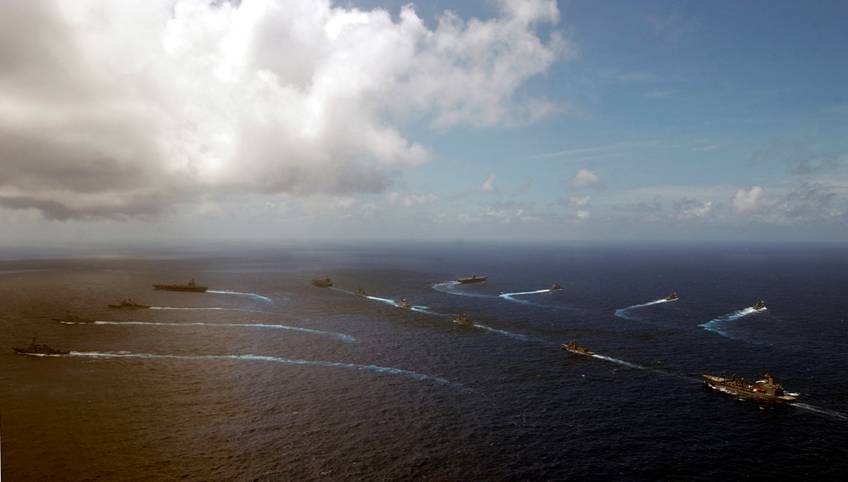
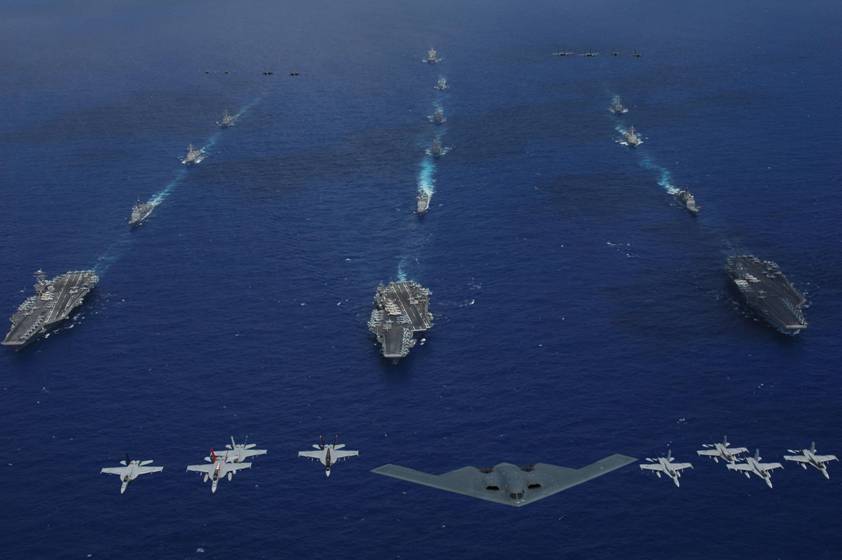
Valiant Shield 2006
PACIFIC OCEAN, (June 18, 2006) ? USS
Ronald Reagan (CVN 76) (foreground), USS Kitty Hawk (CV 63) (middle),
USS Abraham Lincoln (CVN 72) and their associated carrier strike
groups steam in formation while 17 aircraft from the Air Force, Navy,
and Marine Corps fly over them during a joint photo exercise
(PHOTOEX) while preparing for exercise Valiant Shield 2006. The Kitty
Hawk Carrier Strike Group is currently participating in Valiant
Shield 2006, the largest joint exercise in recent history. Held in
the Guam operating area June 19-23, the exercise includes 28 Naval
vessels including three carrier strike groups. Nearly 300 aircraft
and approximately 22,000 service members from the Navy, Air Force,
Marine Corps, and Coast Guard are also participating in the exercise.
Official U.S. Navy photo by Chief Photographer?s Mate Todd P.
Cichonowicz (RELEASED)


|